Icons need strong codes and a clear stance.

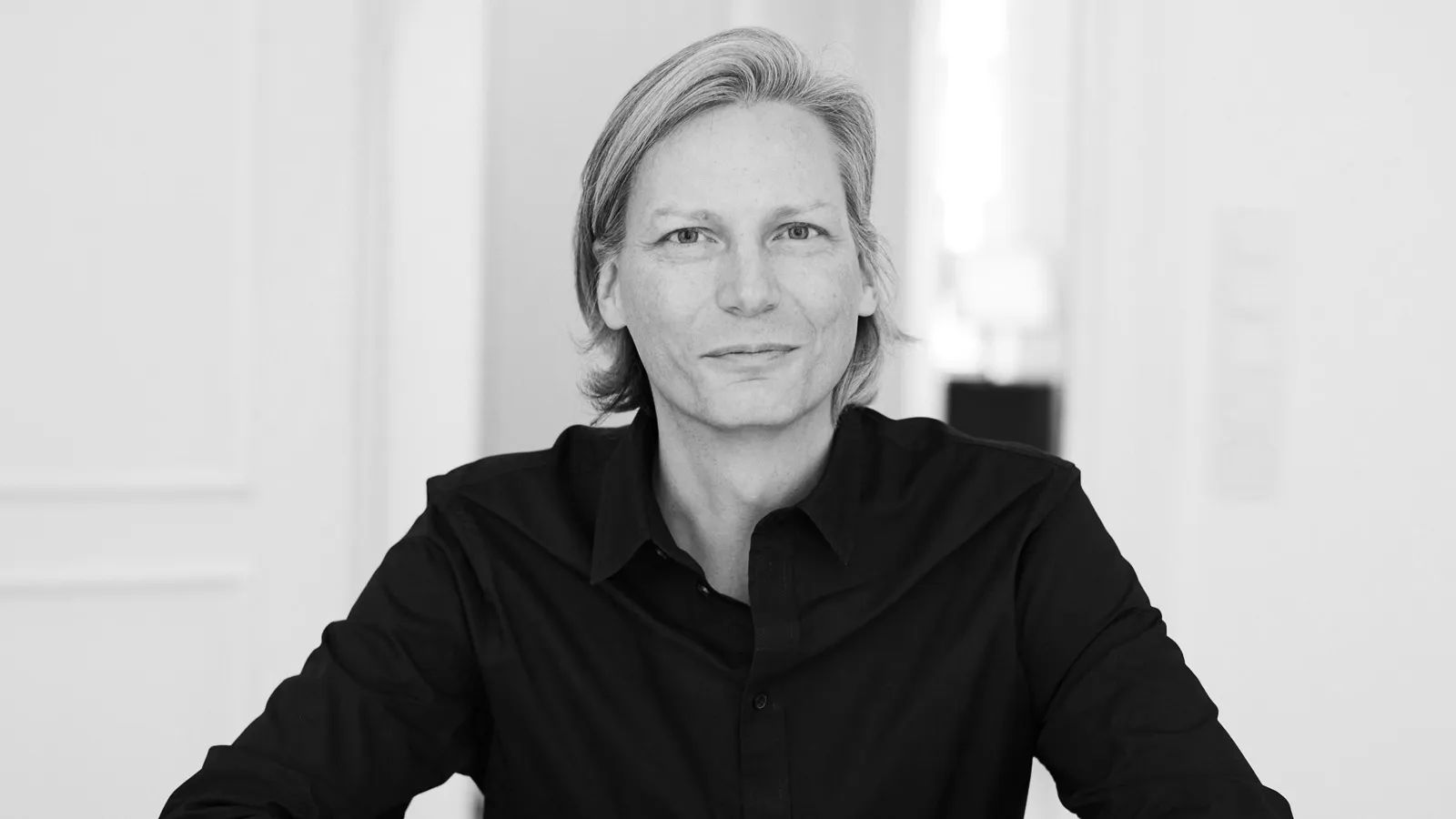
Lukas Cottrell, CEO of the brand and design agency Peter Schmidt Group, and Alexander Engelhardt, vice president for brand management at Deutsche Telekom AG, on what makes a brand iconic – and how Telekom is preparing for the future.

Lukas, how does a brand become an icon? 

LC: It always starts with a product that tells a unique story – whether it's about how it's made, who invented it, or what values it represents. The right story establishes the brand as a legend. Over time, through consistent leadership and coherent management, a strong identity emerges that transcends and outlasts trends. But one other thing is also very important: The brand has to stay fresh and evolve alongside its target groups. It needs a never-ending supply of new impulses and new iterations that achieve relevance in the cultural context. An iconic brand has to prove again and again that it is still up to date.


Does that also mean that leaders have to differentiate themselves from upstart challenger brands? 

LC: Right. The intrinsic goal of challenger brands is to defy the status quo and question existing norms. Instead of looking for continuity, they aim to upend established brand codes and break with the accepted vocabulary of their segment. This carries with it the danger that new and unfamiliar codes might confuse the target group, preventing sufficient adaptation.

"An iconic brand needs to know what it stands for and which of its elements are an immutable expression of its identity – and as such untouchable."


Where exactly is the line between careful development and radical transformation? Where do you see the difference between "maintaining consistency" and "daring to break with tradition"? 

LC: An iconic brand needs to know what it stands for and which of its elements are an immutable expression of its identity – and as such untouchable. To figure that out, you have to delve into your own history, sift through archives, uncover anecdotes. This will not only reveal which elements are indispensable, but also which elements can be scaled back or even deleted entirely without jeopardizing brand recognition. You have to test approaches with stakeholders to determine exactly where the line is, and the choice between cautious adaptation or a radical break depends on the brand strategy. Have there been significant changes to the company, the market, the target group, or society in general? Then you can dare to break with tradition in selected areas. A good feel for the brand's environment and the cultural context is essential. 


Alexander, one brand that has chosen the path of ongoing development is Telekom – with firmly established codes like the T, the color magenta, and the acoustic logo. Why would a brand that's in such a strong position decide to switch agencies? 

AE: Telekom is Europe's most valuable brand, and number one in the global telecommunications market. Our intrinsic brand essence is strong and clearly defined. Setting modesty aside I would also say that we must have done a lot of things right over the years. And yet it's just like Lukas said: Even a successful brand has to grow and evolve. It would be a mistake to rest on our laurels. We hope changing agencies will bring us new perspectives and the impetus to take our brand to an even higher level.

Which elements do you consider sacrosanct, and where have you consciously made room for new impulses? In other words, how much variation can the Telekom brand tolerate without losing its consistency? 

AE: A good brand design must be able to adapt to the current situation, new media, and emerging technologies. Digital environments place complex demands on the visual identity and require contextual freedom rather than rigid rules. It's a matter of finding the right balance between fixed and variable design elements. In our case, a lot depends on the correct use of the brand color. If magenta is not just decoration but a consistent, formative element of the brand identity, I can't go far wrong. 


LC: When we started our work, one thing was obvious to us: The elements of the Telekom brand are very well defined for the current strategic context. The use of the logo, brand color, and typography are all clearly defined. Everything else, like for example imagery, illustration style, headline treatment, patterns and shapes – all that is flexible and can be adapted to the communicative message. 


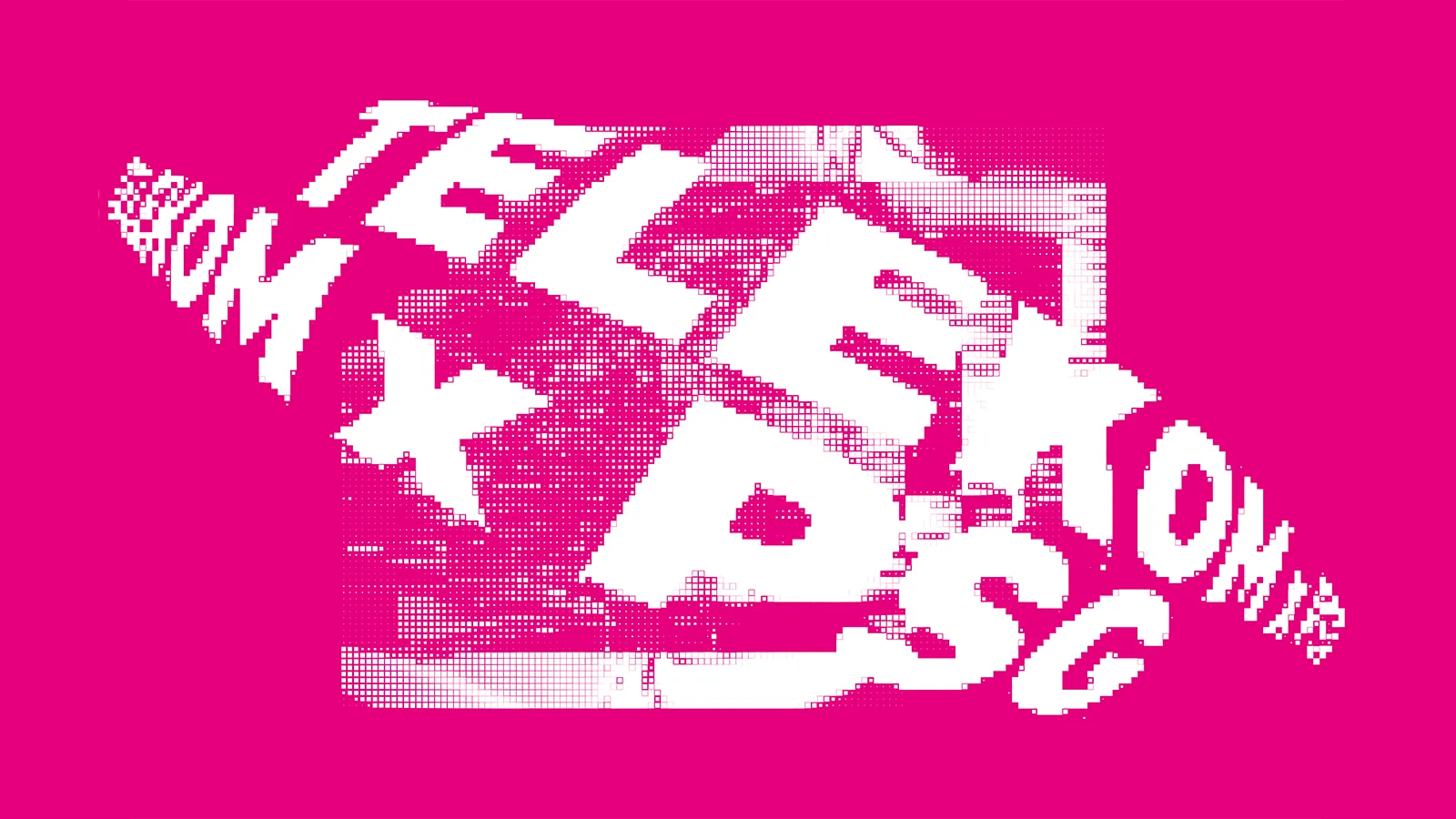
AE: Right. The T, the color magenta, the acoustic logo, and the corporate font “TeleNeo” are the constants in our brand identity. They have been specifically developed over the years to guarantee reliable recognition and are non-negotiable. All the other elements can be used freely in line with a few basic design principles.


What areas of change have you identified, and where does the brand want to go in the future? 

AE: In an increasingly complex world, our brand aims to be a trusted companion, helping as many people as possible along the pathway to a digital society. The brand must therefore be able to establish the greatest possible connection with people. Movement plays a crucial role in digital media. That's why we have jointly decided to redefine Telekom's motion design even more clearly – in other words, to make the brand identity digitally tangible and emotionally stronger through more coherent principles for moving elements. Technological innovations like artificial intelligence also call for new answers: new interfaces, agents, and avatars all bring new challenges that require the Telekom brand to evolve further. 


How do you ensure that a global brand like Telekom stays relevant in a wide variety of markets without spreading itself too thin? 

AE: Of course, when you're managing a global brand, allowing for leeway always presents challenges. However, our goal must be to enable the best possible communication and the most relevant approach in all of our diverse markets. In this regard, ongoing exchange with our colleagues in marketing and sales is particularly important. In Germany, for example, all communications managers, including those from the agencies, meet once a week for an update. This transparency is enormously helpful when it comes to ensuring alignment and understanding priorities better in the face of conflicting goals. Similar meetings also take place on the international level. And of course it goes without saying that global brand management offers comprehensive consulting and support services, including operational support.

"Staking out a position only becomes iconic through consistent action and expression – that's an important distinction. Good words alone are not enough – you also have to actually do something!"


Telekom is taking a clear stance with campaigns like “Against Hate on the Internet.” How important is purpose for the future of iconic brands? Can taking a position become an iconic brand code in itself, like design? 

LC: An iconic brand can only be successful if it has a strong stance. However, staking out a position only becomes iconic through consistent action and expression – that's an important distinction. Good words alone are not enough – you also have to actually do something! Brands like Ben & Jerry’s and Patagonia are iconic because that are willing to go to great lengths to uphold their values. Yvon Chouinard even gave his company away to foundations supporting climate protection. Jerry Greenfield announced his retirement because he felt he could no longer support his values from within the company. 


To what extent is social pressure changing the way iconic brands have to be managed today? 

LC: Social changes are one reason why iconic brands must constantly update themselves in order to remain relevant. Due to changing cultural values and public criticism, brands like Victoria’s Secret and Barbie are under constant pressure to prove themselves. The Barbie film is the best example of how an iconic brand can renew and reinforce its iconic status through reflection, self-irony, and reframing. Suddenly, it's a multi-generational brand again, with cultural depth. 


AE: It's important for the brand to respond to changes in society from its own standpoint without compromising its core values or jumping on every bandwagon. After all, iconic brands are ultimately created by implementing a clear idea consistently over many years. They follow their own principles, thereby generating meaning that transcends the functional product itself – distinctive and inimitable.

The article was published in German in "Markenartikel Magazin", issue 11/2025. Read the full version online.

Meet the interviewees

Lukas Cottrell
CEO

Mail to Lukas

Alexander Engelhardt
Vice President Brand Management at Deutsche Telekom AG